

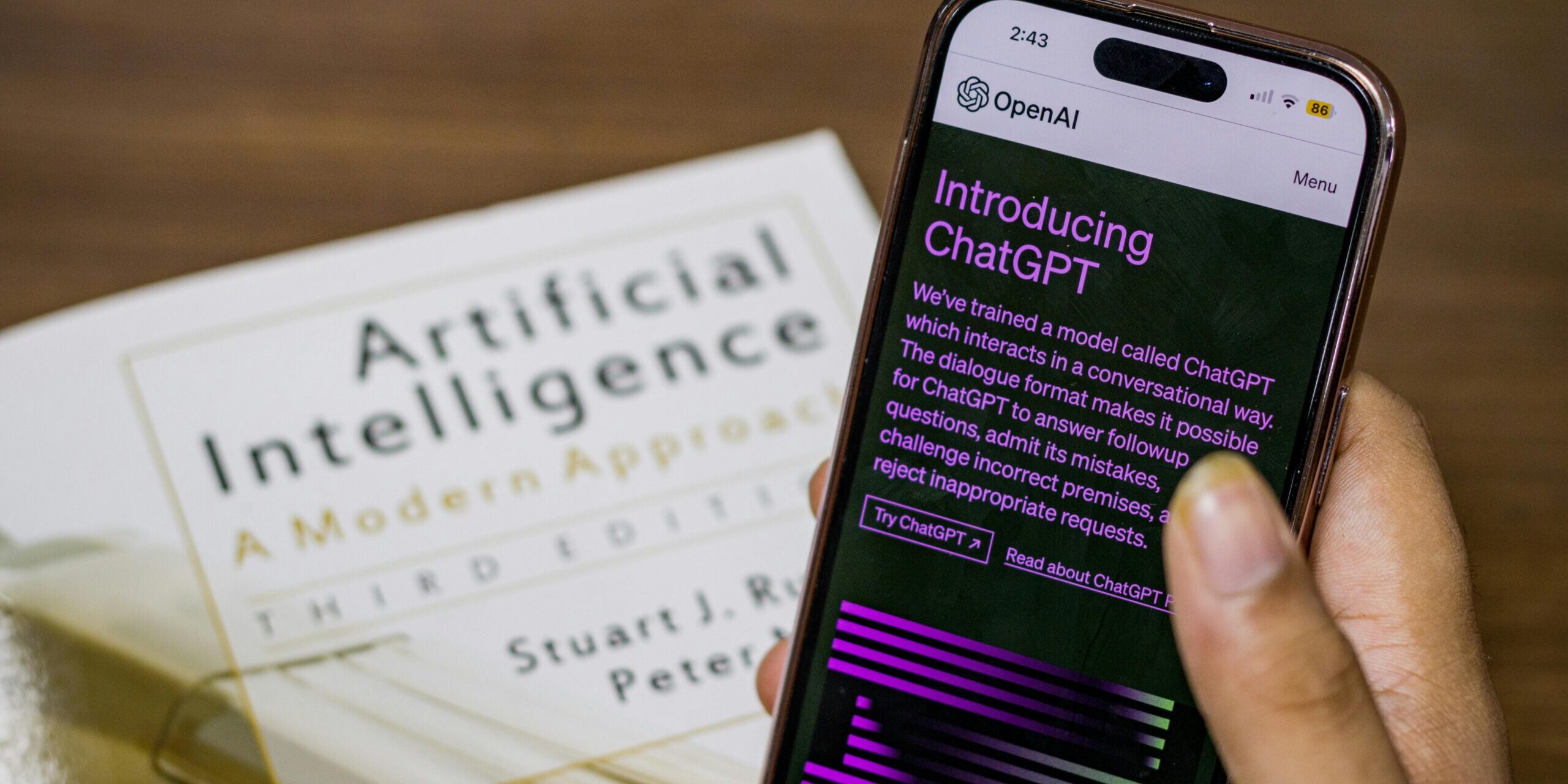
Artificial intelligence will reshape our world in countless ways, many of which we cannot yet predict. But some effects are already becoming clear. The most important changes will not be technical — they will be human.
Below are what I believe will be the five biggest long-term impacts of AI on our society.
1. Work Loses Its Central Role in Identity
For generations, people have defined themselves by what they do.
“I am a doctor.”
“I am a businessperson.”
“I am a teacher.”
As AI takes over more cognitive tasks, work will become less central to personal identity. This does not mean work disappears — but it no longer provides the same sense of meaning and status.
This shift forces an uncomfortable question:
Who am I if I am not primarily defined by my job?
2. Information Becomes Abundant, Wisdom Becomes Rare
AI makes knowledge cheap and endless. Answers are always available. Options multiply. Advice floods every decision.
But more information does not automatically lead to better lives.
Choosing wisely increasingly means learning to separate what is true from what is false. In a world where AI can generate convincing arguments, images, and narratives at scale, discernment becomes essential. The challenge is not access to information — it is the ability to evaluate it with clarity and honesty.
What becomes scarce is the ability to:
- Think clearly
- Distinguish truth from illusion
- Choose wisely
- Understand oneself
- Act with intention
The core human skill of the future is not intelligence — it is judgment grounded in a commitment to truth.
3. Relationships Become the True Currency
As digital experiences grow more immersive, real relationships become more valuable.
Human connection is not something AI can truly replace:
- Listening
- Presence
- Trust
- Shared history
- Emotional depth
In a world where machines can simulate almost everything, genuine relationships stand out as the most meaningful part of life.
4. Power Concentrates, Responsibility Expands
AI will reward scale. Those who control data, platforms, and computing power will accumulate enormous influence.
This creates real risks:
- Economic inequality
- Social fragmentation
- Loss of shared truth
- Weakened institutions
But it also creates a deeper moral challenge:
How does one live responsibly inside systems that feel larger than any individual?
5. Meaning Replaces Survival as the Core Challenge
For most of human history, life was about survival. Technology increasingly solves the problems of efficiency, productivity, and access.
The central question becomes:
What is life for?
When machines can do almost everything, the real work becomes:
- Knowing yourself
- Serving others
- Making wise decisions
- Living with purpose
- Leaving a meaningful legacy
For many people, this search for meaning naturally leads to questions of faith — trust in something larger than oneself, and a belief that life carries purpose beyond material success. In an age defined by powerful machines, faith can provide grounding, humility, and a framework for understanding what truly matters.
Bringing It All Together
The AI age does not require faster humans.
It requires wiser humans.
When work loses its dominance, when information overwhelms us, when relationships become scarce, when power feels distant, and when meaning becomes the central challenge — the most important work shifts inward.
Finding your way in the AI age is not about mastering technology.
It is about mastering yourself.
And that may be the most valuable skill of all.